
For almost four centuries, the powerful Hoysala dynasty shaped southern India’s history, leaving behind an enduring legacy of architectural brilliance and unmatched craftsmanship.
One weekend, we planned a trip to Horanadu. On our way, after crossing Hassan, we spotted a signboard that led us to a stunning temple. The place, known as Doddagaddavalli — previously called Gaddamballi and once referred to as Abhinavakollapura — is home to a magnificent temple dedicated to Goddess Lakshmi, inspired by the famed Kollapura temple.
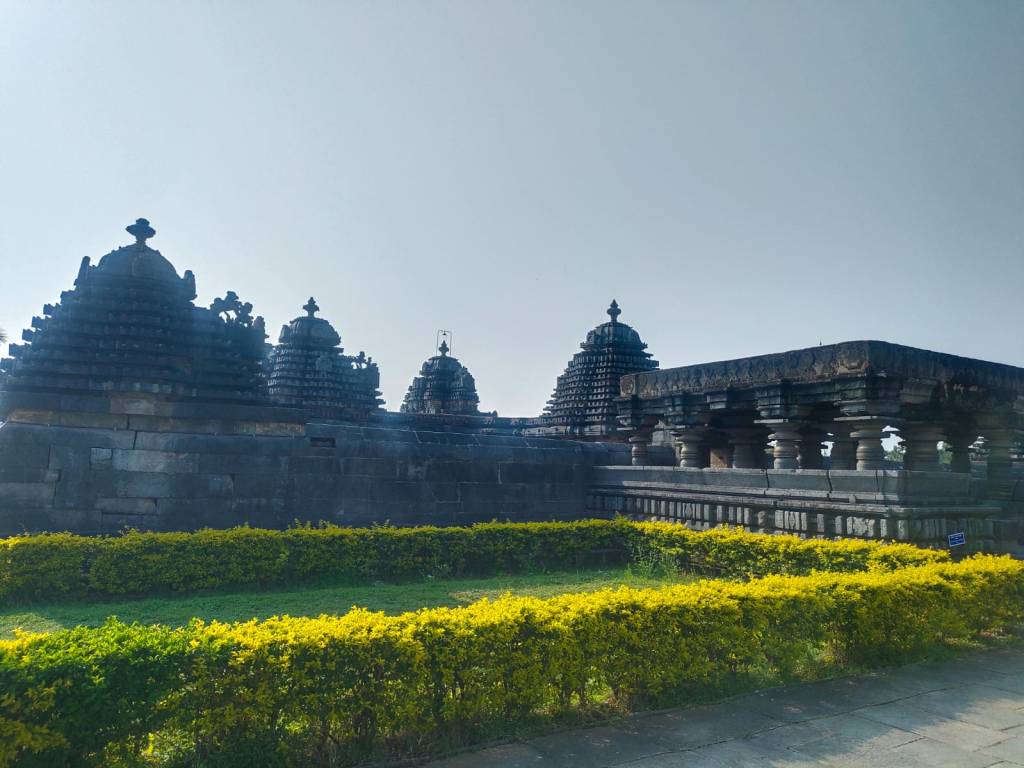
Two eyes are not enough to take in the magnificence of the architecture. Standing before its beauty gives you goosebumps, stirring a deep sense of romanchana (thrill) in the heart. A spontaneous smile blossoms on your face, overwhelmed by the sheer wonder of it all.
A Testament to Hoysala Artistry
This temple was built during the reign of the great King Vishnuvardhana, a visionary monarch whose contributions to temple architecture reshaped Karnataka’s cultural identity. Constructed in 1118 AD by the merchant couple Kulhanarahuta and Sahajadevi, the temple is dedicated to Goddess Lakshmi, the embodiment of wealth and prosperity.
What makes this temple truly unique is its Chatuskuta architectural style — a layout with four sanctums (garbhagrihas), each facing a cardinal direction. These shrines are dedicated to Lakshmi, Kali (Durga), Vishnu, and Shiva — making it a rare temple where both Shaiva and Vaishnava deities are worshipped together, representing religious harmony and inclusivity.
Grace in Granite
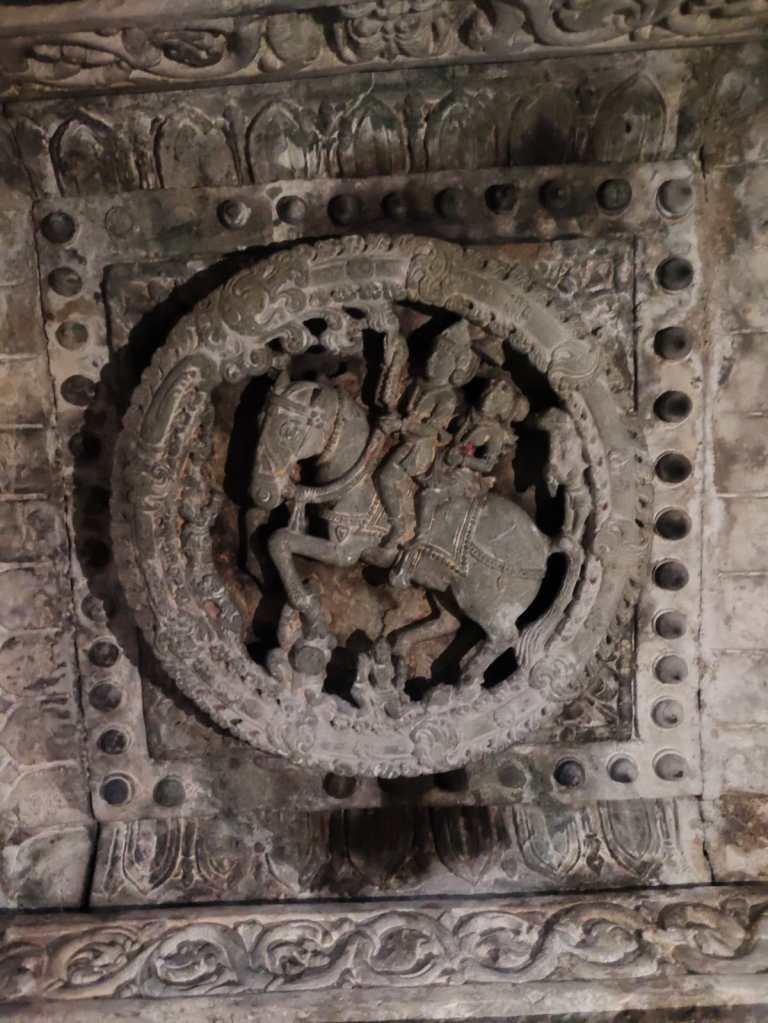
The entire temple is constructed using chloritic schist (soapstone), which allowed Hoysala sculptors to achieve incredible detail in their carvings. Unlike later Hoysala temples that are built on ornate star-shaped platforms (jagati), the Doddagaddavalli temple stands directly on the ground, making it appear modest — until you notice the incredibly detailed stone work that wraps around its walls and towers.
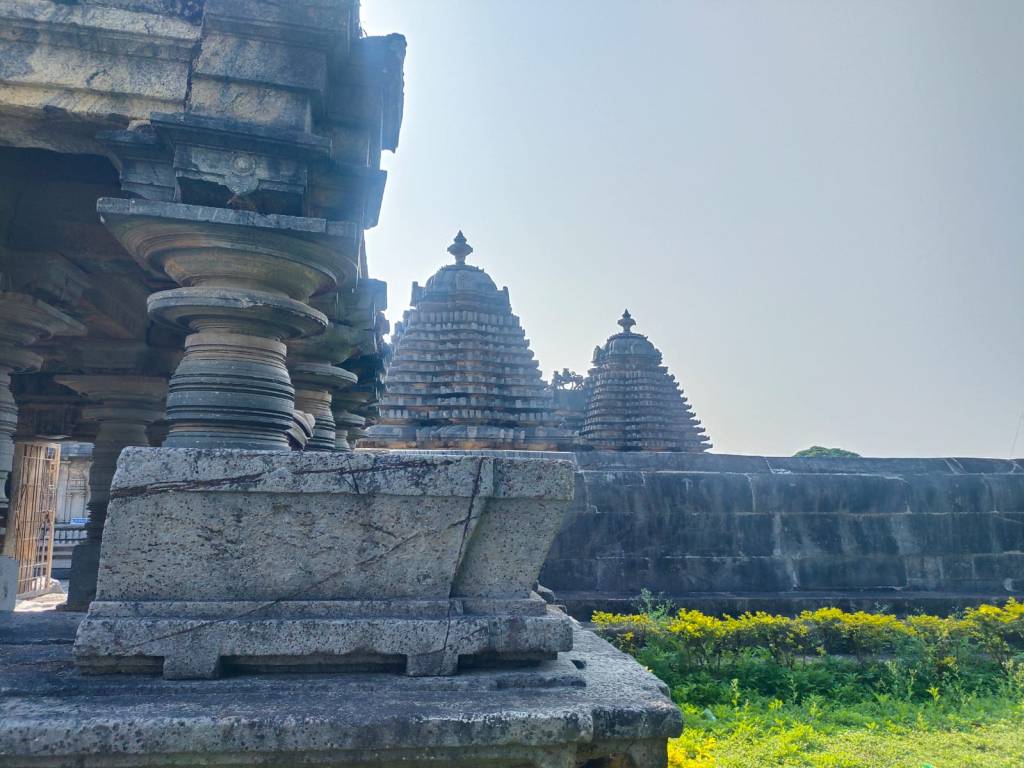
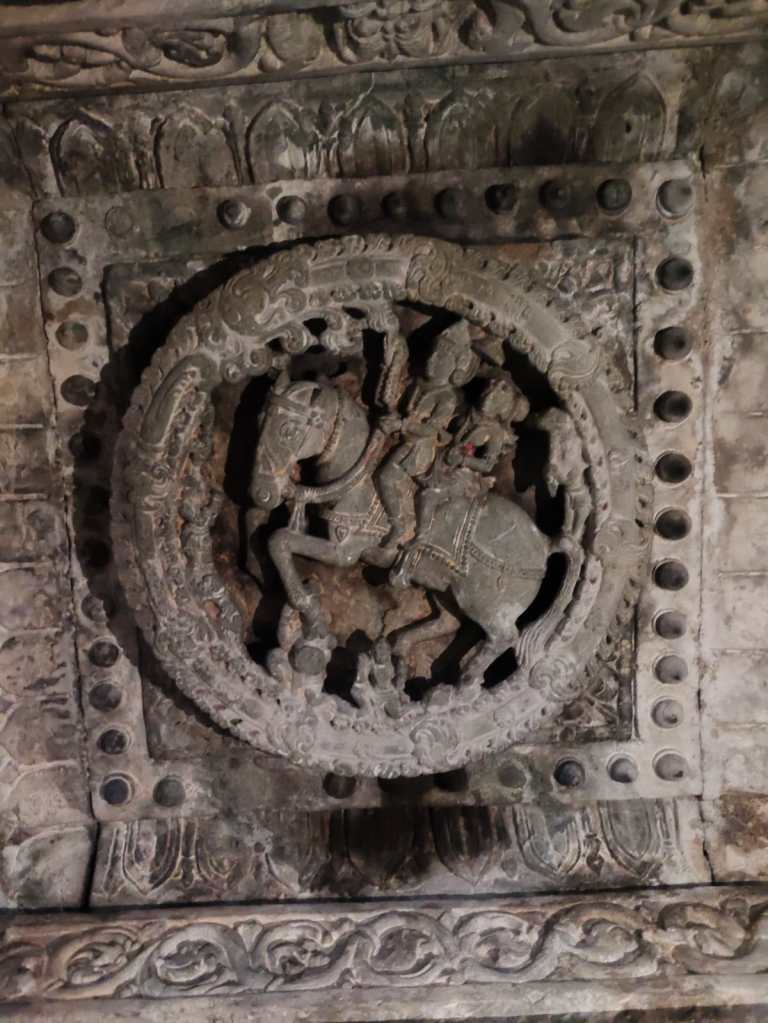
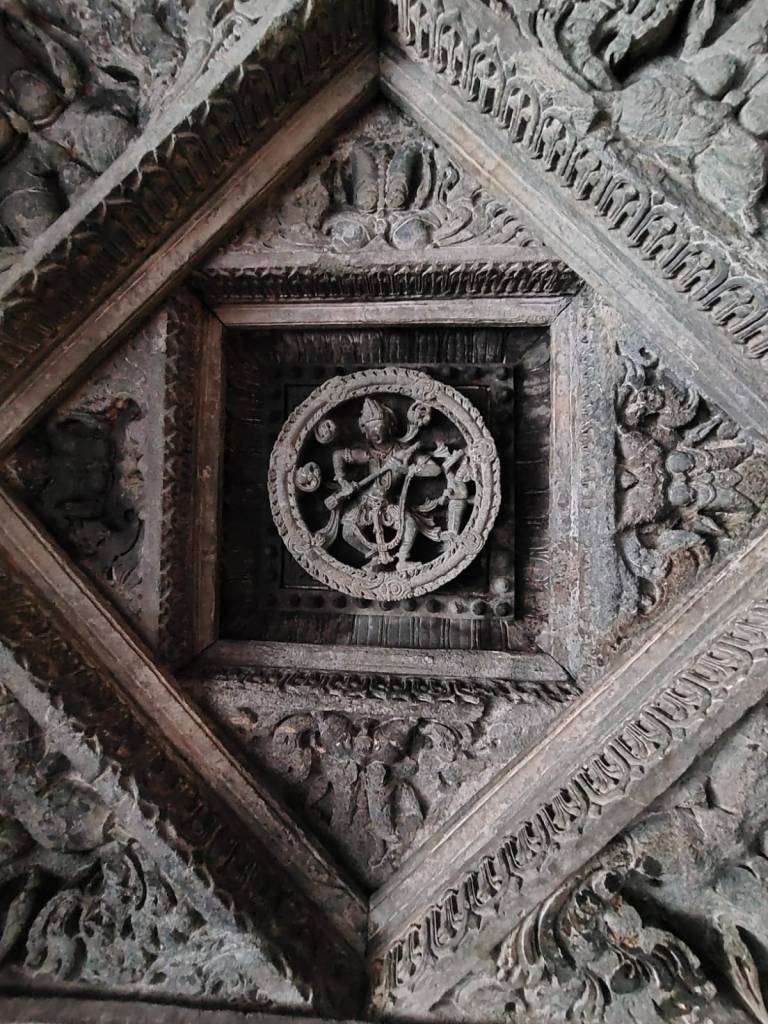
Each tower (shikhara) is topped with a kalasha and intricately carved finials, reflecting the mature Hoysala idiom of temple design. The doorway arches, window lattices, and friezes depict various deities, floral patterns, and narratives from Hindu epics.
Spiritual and Historical Significance
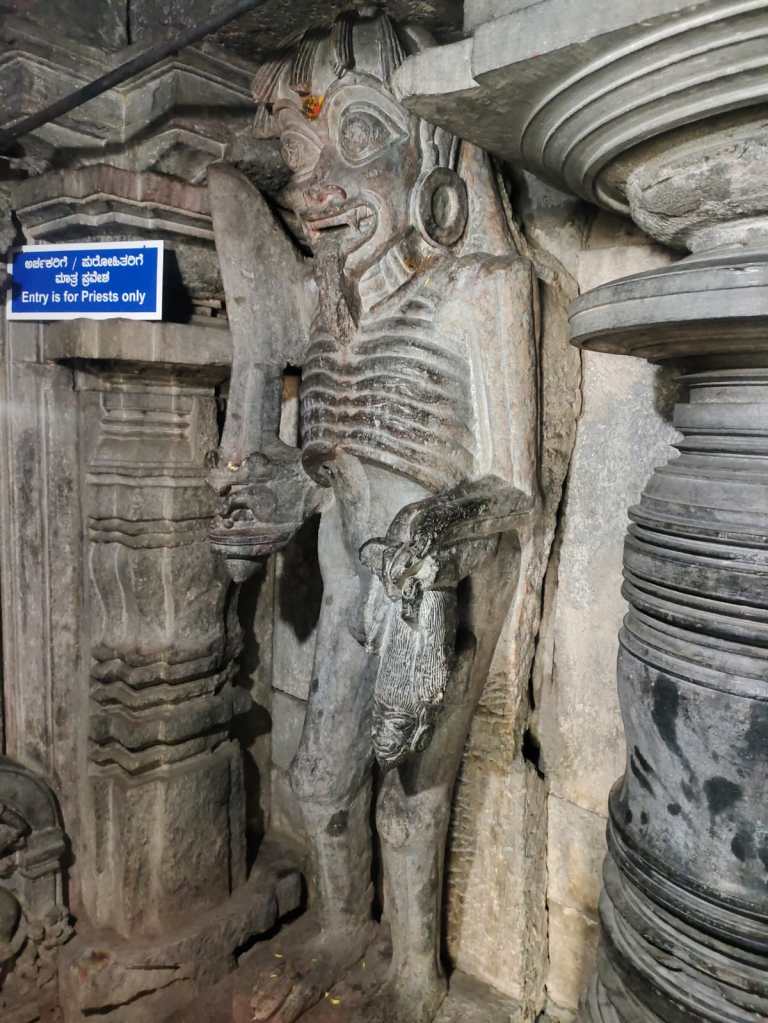
On the northeastern side of the temple lies a shrine for Shri Bhairava, believed to be a fierce form of Lord Shiva. It is a powerful addition to the temple’s sanctity, symbolizing protection and cosmic order. The presence of Kali and Bhairava alongside Lakshmi and Vishnu is highly symbolic — representing the balance between creation and destruction, prosperity and discipline.
Historically, the temple received patronage not only from King Vishnuvardhana but also from successors like Immadi Ballala, who supported its maintenance and renovations. Inscriptions found nearby speak of donations made by traders, local chieftains, and pilgrims, making it an active spiritual hub during its time.
Layout and Legacy
The temple has four main towers, each aligned with a sanctum, and five additional minor towers at the corners and over subsidiary shrines, adding up to a total of nine towers. The layout represents a compact yet powerful cosmic mandala, inviting spiritual contemplation from every angle.
Unlike many Hoysala temples, Doddagaddavalli does not sit inside a large temple complex but is surrounded by a simple compound wall, a small pond (pushkarini), and serene open space that enhances the sanctity and calmness of the location.
A Hidden Gem Worth Visiting
Despite its historical and artistic richness, Doddagaddavalli remains one of the lesser-known Hoysala temples, often overshadowed by its more famous cousins in Belur, Halebidu, and Somanathapura. However, that is exactly what makes it so special — untouched, unspoiled, and deeply spiritual.
As you walk around the temple, the silence whispers stories from the 12th century — of devotion, craftsmanship, and timeless faith. It’s more than just a monument; it’s an experience.
Travel Tips:
- Best visited in the morning or evening to avoid heat and enjoy soft lighting on the stone carvings.
- Located around 18 km from Hassan, easily accessible by car.
- No entry fees; photography is allowed.
- There are no major shops or eateries nearby, so carry water and light snacks.
- Respect local customs — it is still an active place of worship.
So, if you’re ever headed towards Horanadu or looking for a day trip from Hassan, make that detour to Doddagaddavalli. You’ll return with awe in your heart, a sense of spiritual peace, and a deeper appreciation for Karnataka’s architectural and cultural heritage.adra, there are a total of nine towers within the complex.
 Bengaluru Boy
Leave a comment